
Eco-friendly street art is more than a trend — it is a movement that blends sustainable urban art, green graffiti, and powerful climate change murals into a new visual language for climate action.
Table of Contents
What Is Eco-friendly Street Art?
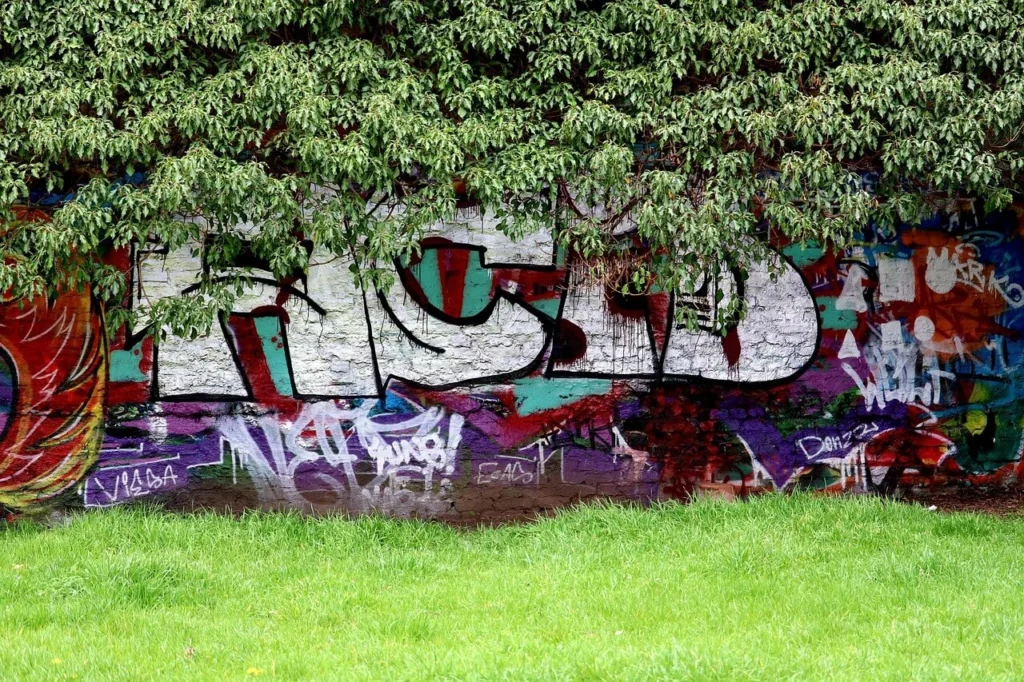
Eco-friendly street art is street art created with sustainability in mind — from the message on the wall to the material in the can. Instead of relying only on traditional aerosol paints, sustainable urban art embraces low-VOC paints, air-purifying coatings, refillable spray systems, and ethical production methods. The goal is clear: reduce the environmental footprint of graffiti and murals, while using the artwork itself to raise awareness about climate change, pollution, and social justice.
On GraffitiCanvas, we explore the full spectrum of modern street art, and eco-friendly street art is one of the most exciting evolutions of the culture. It keeps the raw energy of graffiti but aligns it with a new priority: protecting the planet.
Why Eco-friendly Street Art Matters for Climate Action
Street art as a public climate conversation
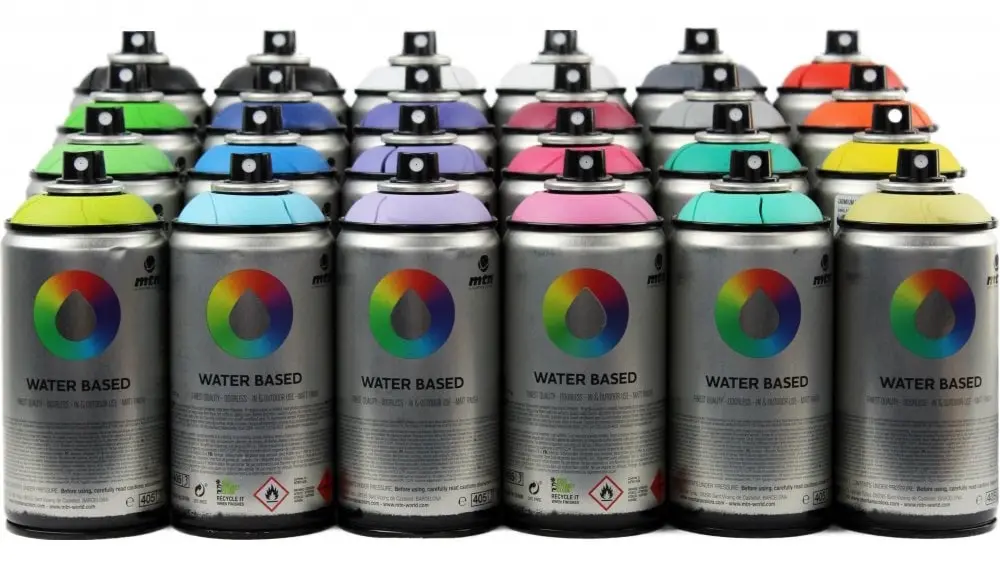
Climate change can feel distant and abstract. Graphs, statistics, and policy debates do not always connect emotionally with everyday people. Climate change murals bridge that gap. Placed on busy streets, metro tunnels, and public squares, they turn climate data into powerful stories that everyone can see.
A single mural about rising sea levels or burning forests can reach thousands of people per day — including those who may never read climate reports or attend environmental conferences. This makes eco-friendly street art a unique tool for climate communication, helping to translate complex issues into visual ideas that stick in the mind.
Aligning art practice with environmental values
Traditional graffiti often relied on solvent-heavy, high-VOC paints and single-use cans. Eco-conscious artists now ask a different question: “If I am painting about climate, how can my process match my message?” By using greener materials and minimizing waste, sustainable graffiti artists walk the talk.
This alignment between message and medium builds trust with audiences and communities. When people see that the artist not only talks about climate but also paints in a climate-aware way, the message becomes more credible and inspiring.
Sustainable Materials and Techniques Used by Artists
Eco-friendly street art is not just a style; it is a set of choices. Below are some of the most common materials and techniques used by sustainable urban artists and green graffiti crews.
Low-VOC and water-based paints
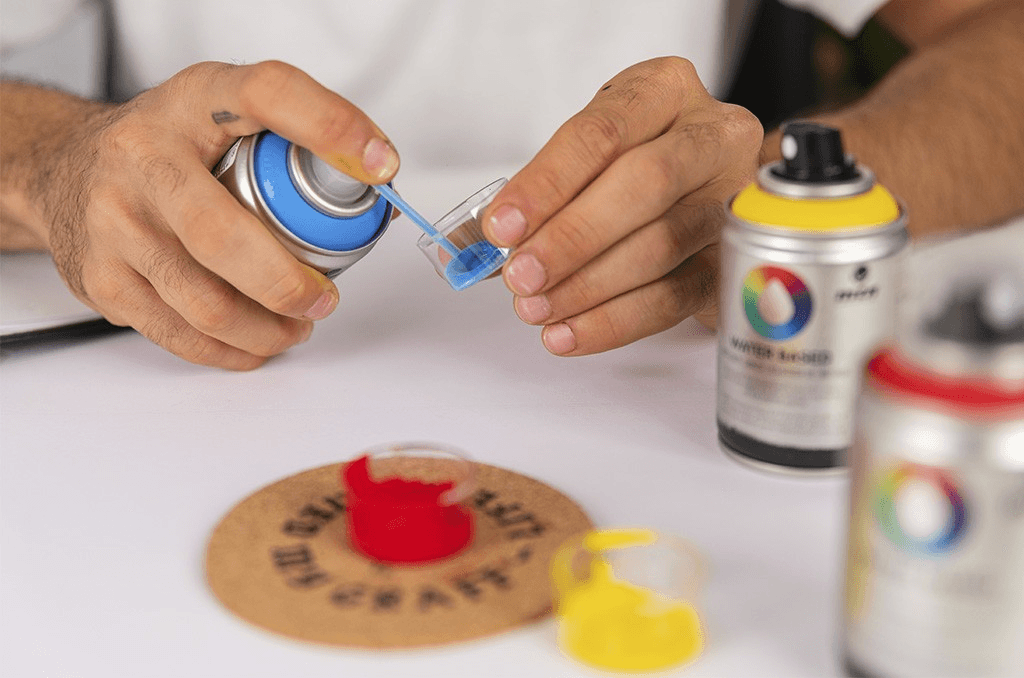
Many modern muralists now prefer low-VOC or water-based paints that release fewer harmful chemicals into the air. These paints often perform just as well as traditional options, while being safer for artists, neighbors, and the environment. Some brands even offer specialized outdoor formulas designed for walls and facades.
Refillable spray systems & recyclable cans
Another innovation is the move toward refillable spray systems and recyclable packaging. Instead of throwing away dozens of empty cans after a large mural, artists can refill pressurized systems or choose brands that prioritize recyclability and reduced plastic waste.
Air-purifying paints and coatings
A cutting-edge trend in sustainable urban art is the use of air-purifying paints. These paints contain special compounds that help break down pollutants like nitrogen oxides when activated by light. In other words, the mural is not only about clean air — it actively contributes to it.
For artists interested in the technical side, searching for air-purifying paint is a good starting point to discover brands and case studies used in large-scale climate change murals worldwide.
Eco-conscious prep and cleanup
Sustainable graffiti also extends beyond the paint itself. Artists may use eco-friendly primers, avoid harsh chemical cleaners, and carefully manage wastewater or used rags. Some projects even include dedicated recycling stations at the mural site so that cans, cardboard, and plastic do not end up in landfill.
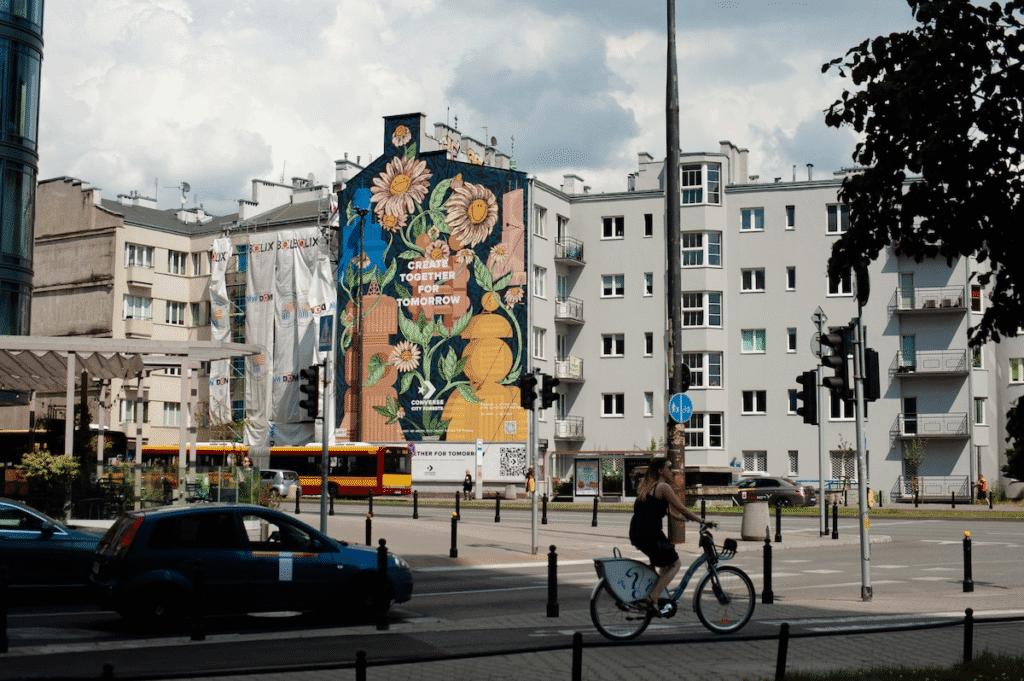
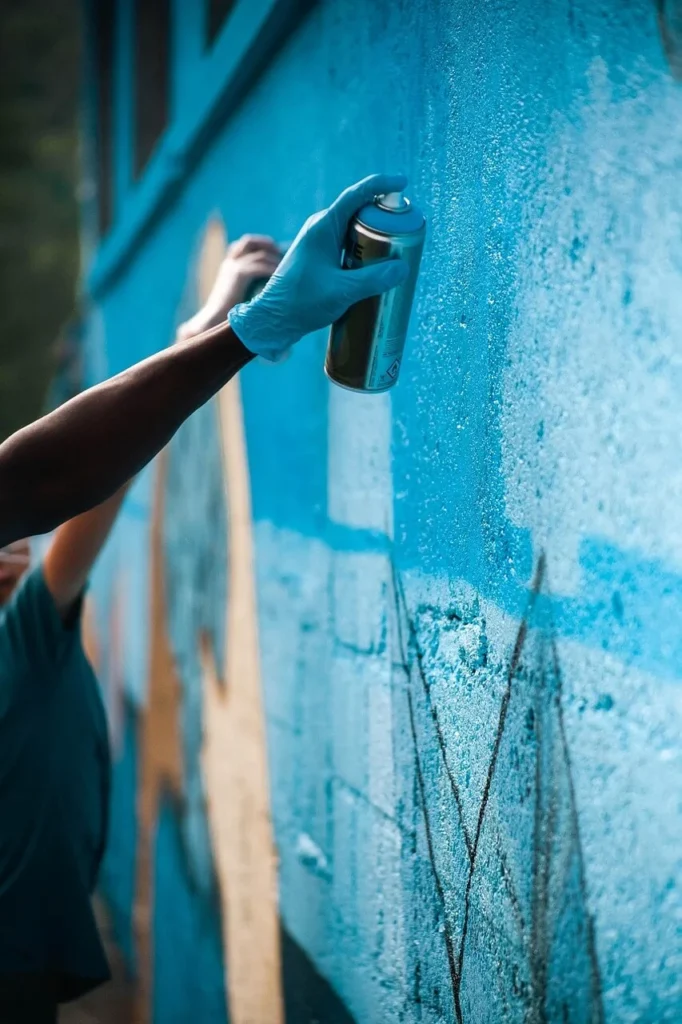
A mural in progress: sustainable techniques meet bold climate storytelling.
From Local Walls to Global Climate Conversations
Community engagement through climate change murals
When a new mural appears in a neighborhood, it instantly becomes part of the local identity. People stop to watch the work in progress, share photos on social media, and talk about the message. Climate change murals in particular have the power to spark conversations about local issues like urban heat islands, air quality, or flooding.
Community-driven projects — where residents help shape the concept with the artist — often generate the strongest impact. They turn the piece into a collective statement instead of a one-way message.
Urban aesthetics and environmental values
Cities used to treat graffiti as visual noise. Today, many recognize that curated mural projects can improve public spaces and even boost local tourism. When eco-friendly street art becomes part of a city’s visual identity, it signals that sustainability is not just a policy document, but a lived value.

Challenges, Criticisms, and How Artists Respond
Cost and access to sustainable materials
Eco-friendly paints and specialized coatings can be significantly more expensive than standard aerosol cans. For emerging artists and grassroots projects, this cost can be a real barrier. Many respond by applying for micro-grants, partnering with NGOs, or planning smaller but more targeted murals that still carry strong messages.
Durability vs. sustainability
Some green materials may fade faster or react differently to harsh weather compared to traditional paints. Artists often have to balance durability with eco-impact. This can mean combining eco-paints with protective clear coats, or planning periodic touch-ups as part of the project.
Legal issues and greenwashing concerns
Even when the message is positive, murals usually require permission from property owners or municipal authorities. Climate murals can be sensitive if local politics around environmental issues are polarized.
Another concern is greenwashing — when corporations sponsor “eco” murals mainly to polish their image. Many artists now insist on transparency about funding sources and prefer to collaborate with organizations whose climate commitments can be verified.
How Cities and Policymakers Can Support Sustainable Urban Art
If city officials want to encourage eco-friendly street art as part of their climate strategy, there are practical steps they can take:
- Offer small grants or material vouchers for projects that use certified eco-friendly paints.
- Create legal mural walls or streamlined permit processes for climate-themed murals.
- Partner with schools and community centers to host mural workshops about climate change.
- Promote mural tours and online maps featuring sustainable graffiti and climate change murals.
- Ensure cleaning and maintenance guidelines protect both the artwork and the environment.
By treating eco-friendly street art as cultural infrastructure — not just decoration — cities can turn dead walls into active allies for climate awareness.
How to Start Your Own Climate Mural or Eco-friendly Street Art Project
Whether you are an artist, educator, or community organizer, starting a sustainable urban art project is easier than it looks when you break it into steps.
- Clarify your message and audience. Decide what climate topic you want to focus on: air pollution, rising seas, biodiversity, climate justice, or renewable energy. Think about who will see the mural every day and what emotion or action you want to trigger.
- Research eco-friendly materials. Compare low-VOC and water-based paints, air-purifying coatings, and refillable spray options. Check technical sheets for outdoor durability and safety information.
- Find a wall and build relationships. Approach local businesses, schools, or community centers that align with climate values. Explain the project’s benefits for them and the neighborhood.
- Design with the space in mind. Consider the wall’s size, surface, and lighting. Test color palettes and make sure the main climate message is readable from a distance.
- Plan logistics and documentation. Schedule painting days, organize helpers, and plan how you will document the process with photos and video. This is great content for your portfolio and for platforms like GraffitiCanvas.
- Educate and engage. Add a short text, QR code, or link near the mural that explains its meaning and points people to resources about climate action.
- Measure and iterate. Pay attention to community feedback, social media engagement, and requests for more murals. Use that insight to shape your next eco-friendly street art project.
Every powerful mural starts with a clear concept and a sustainable plan. Use our graffiti guide to sketch your first drawing, and start doing it eco-friendly!
FAQ
What makes street art “eco-friendly”?
Eco-friendly street art uses materials and methods that reduce environmental harm — such as low-VOC or water-based paints, recyclable or refillable spray systems, and responsible cleanup. It often also focuses on themes like climate change, biodiversity, and sustainability.
Are climate change murals really effective?
Yes. While a single mural will not solve the climate crisis, it can raise awareness, shift local conversations, inspire activism, and help normalize climate-friendly values in everyday urban life. When combined with community projects and education, murals become powerful catalysts for change.
Do eco-friendly paints last as long as traditional paints?
Many modern eco-friendly paints are formulated for outdoor use and can be very durable. However, performance varies by brand and climate. Some artists combine eco-paints with protective coatings or plan regular touch-ups to keep the artwork strong over time.
How can I fund an eco-friendly mural project?
Common funding sources include community grants, environmental NGOs, local businesses, and city cultural programs. Many artists also crowdfund projects by inviting people to “sponsor” sections of the mural or contribute to the cost of sustainable materials.
Where can I learn more about sustainable urban art?
You can start by exploring guides and artist interviews on GraffitiCanvas, and by following eco-conscious muralists on social media.